St. Simons condos
Florida's Condo Crunch and What It Means for St. Simons Buyers
Florida condo prices are falling under post-Surfside rules, and some buyers are looking north. Here's an honest comparison for anyone weighing a Florida condo against one on St. Simons Island.
By Dewey "DJ" Snipes · October 20, 2026
If you've been shopping for a coastal condo lately, you've probably heard that Florida's condo market is in trouble. Some of the buyers now looking at St. Simons started their search in Florida.
That makes sense. But St. Simons isn't immune to the same forces — it just feels them differently. Here's the honest comparison.
What happened in Florida
After the Champlain Towers South collapse in Surfside in 2021, Florida passed new condo safety laws. Most condo buildings over 30 years old now need milestone structural inspections, and associations must fund real reserves for major repairs instead of putting them off.
Those are good rules. But they arrived all at once, on a lot of older buildings, at the same time insurance costs were climbing. Owners got hit with big fee increases and special assessments, and many tried to sell at the same time.
Florida lawmakers have since passed changes giving associations more time and more ways to fund reserves. But the reset in prices and fees is still working through the market.
How St. Simons is different
As of this writing, Georgia does not have a statewide inspection-and-reserve mandate like Florida's. St. Simons condo associations aren't facing a single legal deadline that forces every older building to inspect and fund reserves at once.
The island's condo stock is also different. It's mostly low-rise — villas, townhome-style buildings, and smaller complexes — rather than the high-rise towers behind many of Florida's biggest assessments.
How St. Simons is the same
Here's the part I want every buyer to hear. Less regulation doesn't mean less risk. It means the buyer has to do the checking.
Many island complexes are decades old. Roofs, siding, balconies, and boardwalks wear out in salt air no matter which state you're in. And the costs pushing Florida's fees up — insurance and deferred maintenance — are pushing fees up here too.
Lending rules apply to both states, too. Fannie Mae has tightened its condo insurance requirements and is retiring its Limited Review shortcut. That means more complexes now need a full review before a buyer can get a conventional loan — and some won't pass.
What to check before you buy a St. Simons condo
- The reserve study. When was it done? How much of the recommended reserve does the association actually have?
- The budget and financial statements. Are reserves being funded every year, or skipped to keep dues low?
- Assessment history. Any special assessments in the last five years? Any planned or being discussed?
- Board meeting minutes. This is where you find out about the roof replacement nobody's priced yet.
- The master insurance policy. What's covered, the wind deductible, and how much the premium has gone up.
- Rental rules. If you plan to rent it out, short-term or long-term, confirm the association allows it.
- Financing. Ask your lender early whether the complex will qualify for the loan you want.
Low dues aren't always good news. Sometimes they mean the association has been putting off the bills. A slightly higher fee with healthy reserves is often the better buy.
The short version
St. Simons isn't Florida, and it isn't facing Florida's legal crunch. But the same insurance and maintenance pressures are here, and the buyer has to look for them.
If you're comparing a Florida condo with one on the island, I'm glad to help you dig into the association documents and the real monthly cost — dues, insurance, and anything coming down the road. Those numbers matter as much as the price.
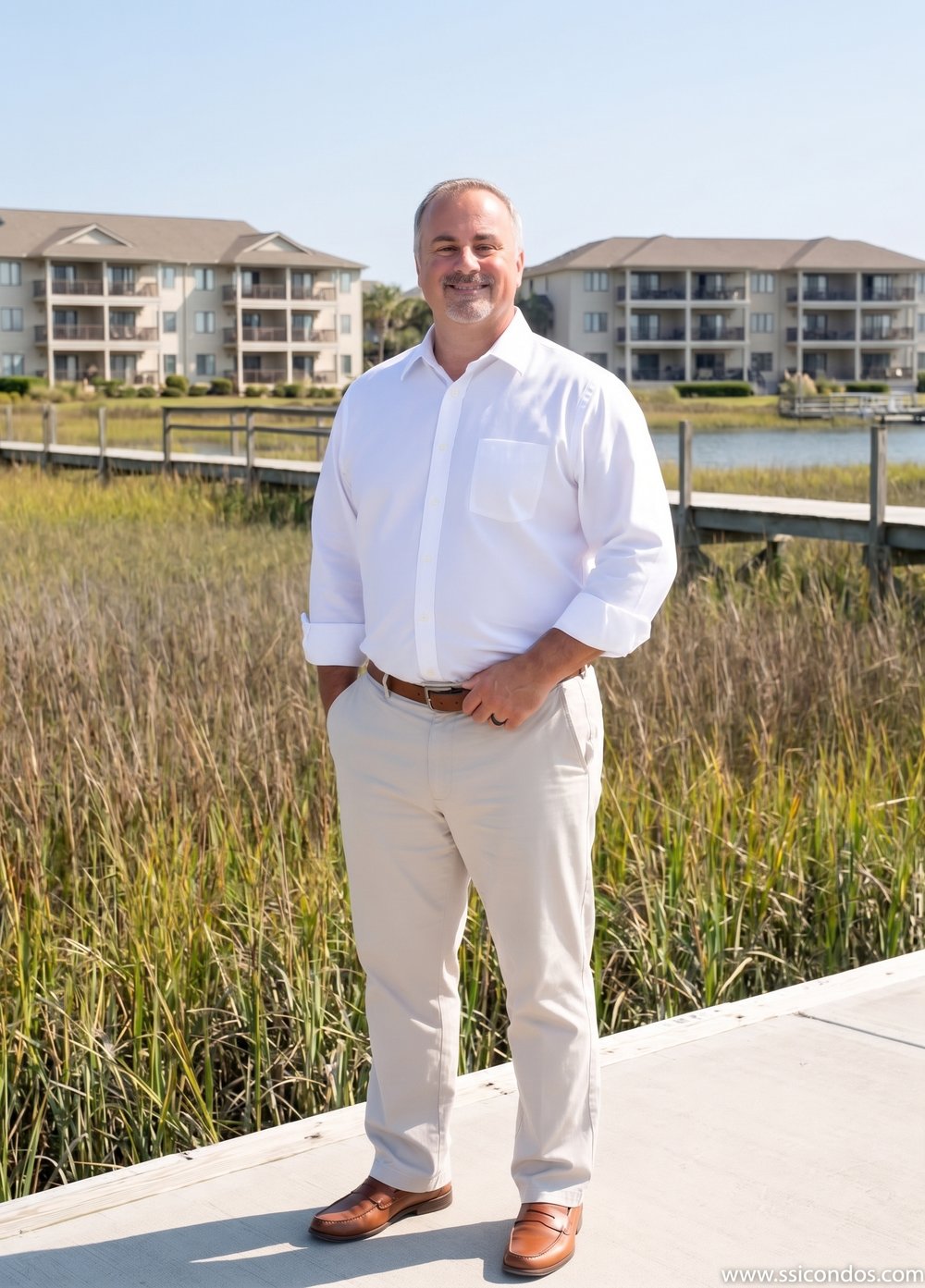
New Construction & Coastal Home Specialist
Market figures are from the sources named in each #DATA box and were current when this was written. Small markets produce noisy monthly numbers, so use them as context, not as a price for any one property. Engel & Völkers Golden Isles; each office is independently owned and operated.